Jazz Fusion
ロックに負けない音量で鳴らしながら、ロックには収まりきらない複雑な和音とリズムを奏でる。フェンダー・ローズ、歪んだギター、Moogシンセが交差する1970年代の「電気ジャズ」だ。
What it sounds like
ジャズの即興とロックの編成・電子楽器を融合したスタイルである。BPMは100〜200と幅広い。編成の核は、歪ませたエレキギター、奏法の多彩なエレキベース、電気ピアノ(フェンダー・ローズ)、シンセサイザー(Moog、Oberheim)。これにロック寄りの力強いドラムが加わる。ベースはスラップやフレットレス(指板の仕切りがなく、音程を滑らかにつなげるベース)を駆使する。即興ソロは長尺で、変拍子(4拍子・3拍子以外の、数えにくい拍子。7/8、5/4、11/8など)も多用される。1970年代のアナログ録音ならではの、丸く温かみのある音は、後の世代が「フュージョンらしい音」そのものと見なすようになった。
How it came about
起点となったのは、マイルス・デイビスの『In a Silent Way』(1969年)と『Bitches Brew』(1970年)である。この2枚を支えたメンバーが一斉に巣立ち、それぞれ看板バンドを率いた——ジョー・ザヴィヌルとウェイン・ショーターはウェザー・リポート、チック・コリアはリターン・トゥ・フォーエヴァー、ジョン・マクラフリンはマハヴィシュヌ・オーケストラ、トニー・ウィリアムスはライフタイム。いずれも1970年代前半に生まれた主要バンドだ。なかでもマハヴィシュヌ・オーケストラの高速ユニゾンは、当時のフュージョンの過激さを象徴する音だった。ハービー・ハンコックは《Head Hunters》(1973年)でファンクを前面に持ち込んだ。日本でもカシオペア(1976年結成)やT-SQUAREが、超絶技巧と、ポップスのように短く聴きやすい曲づくりを軸にした独自のフュージョンを育てた。1970年代を通じてフュージョンはジャズの最前線に立ち、やがて1980年代にはスムース・ジャズ系(リー・リトナー、デヴィッド・サンボーン)と、プログレ寄りの濃密な一派(アラン・ホールズワース、ブランドX)へと枝分かれしていく。
What to listen for
エレキベースのスラップ(親指で弦を叩き、指で引っ張る打楽器的な奏法)とシンセ・ベースの絡み。即興ソロの長さ(1曲で1人のソロが10分を超えることも珍しくない)。変拍子のなかでもリズム隊が崩れず、独特のうねりを生む感覚。ジョー・ザヴィヌル(ウェザー・リポート)が織りなすシンセの音響は、後の1980〜90年代のアンビエントや電子音楽を先取りしていた。
If you only hear one thing
1枚だけ選ぶなら、ウェザー・リポート『Heavy Weather』(1977)がよい。代表曲「Birdland」の軽やかなテーマがつかみやすい。ロック寄りを聴きたければ、マハヴィシュヌ・オーケストラ『The Inner Mounting Flame』(1971)をすすめたい。冒頭から続く高速ユニゾンが圧巻だ。ファンク寄りの一枚としては、ハービー・ハンコック『Head Hunters』(1973)の「Chameleon」が分かりやすい。日本のものなら、カシオペア『MINT JAMS』(1982)が入りやすい。
Trivia
ウェザー・リポートのジャコ・パストリアスは、フェンダー・ジャズ・ベースのフレットを自ら抜いたフレットレス・モデルで、歌うようなベース音を生み出し、エレキベースを花形楽器に押し上げた人物である。双極性障害を抱え、晩年はほぼ路上生活を送り、1987年にフロリダのナイトクラブの外で暴行を受け、35歳で世を去った。彼が改造した愛器「Bass of Doom」は盗難ののち行方知れずとなったが、2006年にニューヨークの楽器店で再発見された。その後の法廷闘争を経て、2010年前後にメタリカのロバート・トルヒーヨが買い取り、ベースはいまも遺族のもとに置かれている。彼の演奏は今も基準であり続け、『Heavy Weather』の「Teen Town」や「Birdland」のベースラインは、いまだベーシストの試金石とされる。
Notable artists
- George Benson
- Herbie Hancock
- Weather Report
- Mahavishnu Orchestra
- Return to Forever
- Hiromi Uehara
- Snarky Puppy
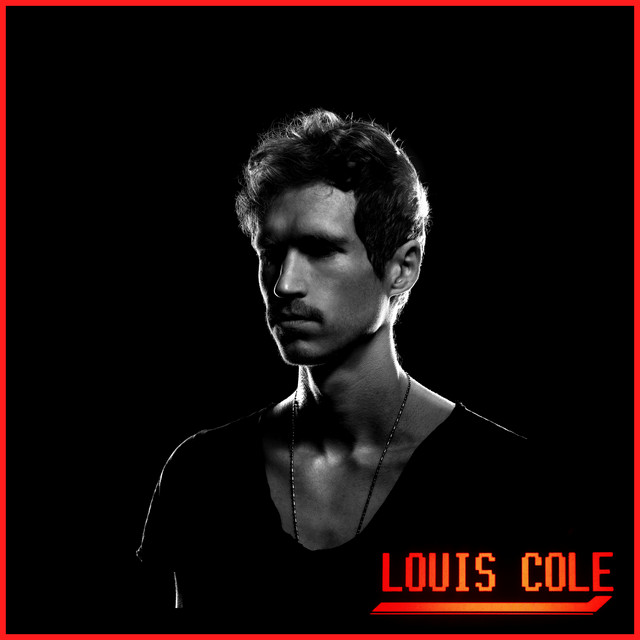
- Louis Cole
- Cory Wong
Notable tracks
- Miles Davis — Bitches Brew (1970)
- Mahavishnu Orchestra — Meeting of the Spirits (1971)
- Return to Forever — Spain (1972)
- Herbie Hancock — Chameleon (1973)
- Weather Report — Birdland (1977)
Later notable tracks
- Hiromi Uehara — Voice (2011)
- Snarky Puppy — Lingus (2014)
- Cory Wong — Cosmic Sans (2020)
- Louis Cole — Weird Part of the Night (2018)