
Disco
1970年代の米国で成立した、4つ打ちと豪華なオーケストレーションを特徴とするダンスポップ。
What it sounds like
途切れず踊り続けられること——ディスコの設計はこの一点に尽きる。テンポはBPM110〜130、キックは1拍ごとに鳴る「四つ打ち」、ベースは同じ音を1オクターブ上下に行き来する「オクターブ・ベース」で1拍ごとに動く。この四つ打ちとオクターブ・ベースが、踊りを止めさせないエンジンだ。その上に、弦とホーンを分厚く重ねる。ハイハット(シンバルの一種)は裏拍の8分を細かく刻み、ギターは「カッティング」(短く弾んで刻む奏法)で勢いをつけ、ピアノは小気味よくコードを散らす。ボーカルは男女どちらも担い、サビでは大勢の合唱になることが多い。曲尺は5〜10分のロング・バージョンが主流で、DJがフェードイン/アウトで延々と繋ぐためのフォーマットだ。オーケストラ並みの大編成を、クラブの大音量でも音が潰れないように調整して鳴らす——踊る場所のために組み直したオーケストラ・ポップだ。
The signature rhythm pattern of this genre. Press play to loop it, and follow the score below to see which beat is sounding.
How it came about
もとになったのは、フィラデルフィア・ソウルの分厚い弦、ファンクのリズム、ラテン音楽の打楽器だ。これらを混ぜ合わせ、四つ打ちのキックを加えたことで、途切れず踊り続けられる新しい音楽が生まれた。舞台は1970年代前半、ニューヨークの黒人・ラテン系・ゲイ・コミュニティの初期アンダーグラウンド・クラブ群(The Loft、Sanctuary、Continental Baths など)。人種も性的指向も問わない解放区だった。なかでもDJのデヴィッド・マンキューソは招待制のパーティ『The Loft』を始め、高音質再生とコミュニティを重んじるダンスフロア文化を築いた。スタジオの音作りも独自の色を持つ。フィラデルフィアのプロデューサー、ギャンブル&ハフが分厚い弦を、シックのナイル・ロジャースとバーナード・エドワーズが歯切れのよいギターとベースを供給した。1977年、ジョン・トラヴォルタ主演の映画『サタデー・ナイト・フィーバー』が世界的なブームを起こす。同じころジョルジオ・モロダーは、ドナ・サマーとの仕事で、それまで人が生演奏していたリズム隊(ドラムやベース)を、機械に自動演奏させる「打ち込み」のシンセ・ベースに置き換えた。これにより、四つ打ちで踊れる形をさらに先へ進めた。だが1979年、人種差別や同性愛差別を背景にしたディスコ排斥運動が起こる。シカゴの球場に集めたディスコのレコードを爆破する過激なイベント『ディスコ破壊の夜(Disco Demolition Night)』はその象徴だった。これを機に、ディスコは表向き幕を閉じる。それでもその音はハウス、テクノ、ガラージへと受け継がれていく。
What to listen for
まずオクターブ・ベースに耳を。同じ音を1オクターブ上下に行き来する動きで、ディスコと一発で分かる最大の目印だ。次にハイハットの裏拍、ストリングスのスウィープ(弦が一気に駆け上がるように鳴る箇所)、ギターのカッティング、ホーンが一斉に鳴らす決め所。長い12インチ・バージョンでは「ブレイク」——バンドが抜けてドラム・ベース・打楽器だけになる箇所——にも注目したい。DJが次の曲へつなぐための余白だ。曲が長めなのもこのためで、そう知って聴くと冗長に思えた長尺が腑に落ちる。
If you only hear one thing
1曲だけ聴くなら、Donna Summer『I Feel Love』(1977)。ジョルジオ・モロダーが組んだシンセ・ベースが「ダンス音楽の未来」を全部予言した曲だ。アルバムなら、Chic『C'est Chic』(1978)。日本のものなら、竹内まりや『Plastic Love』(1984)。オクターブ・ベースと四つ打ちが日本語ポップに移植された好例で、ディスコがどう日本のシティポップに溶けたかが聴き取れる。
Trivia
「Disco」はフランス語の「discothèque」(ディスコテーク)から来ている。もとはレコードの収集・保管、つまりレコード・ライブラリを指す語で、それがレコードを流して踊る場所の呼称になった。一説では、その始まりは第二次大戦下のフランスにあるという。アメリカ音楽が公の場から締め出されるなか、一部のパリのジャズ・クラブがレコードを掛けたのが起源だ、というのだ。生バンドを雇えない場所で生まれた言葉が、半世紀後には世界最大のダンス・ムーブメントの名になったわけだ。
Notable artists
- Bee Gees
- Michael Jackson
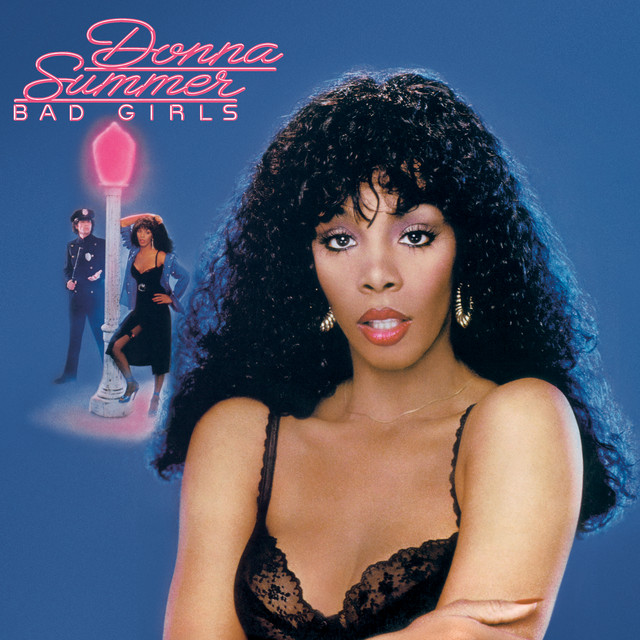
- Donna Summer
- The Trammps
- Chic
- Kylie Minogue
- Roosevelt
- Jungle
- Dua Lipa
Notable tracks
- The Trammps — Disco Inferno (1976)
- Donna Summer — I Feel Love (1977)
- Bee Gees — Stayin' Alive (1977)
- Chic — Le Freak (1978)
- Donna Summer — Hot Stuff (1979)
Later notable tracks
- Jungle — Keep Moving (2018)
- Roosevelt — Sea (2018)
- Dua Lipa — Don't Start Now (2019)
- Kylie Minogue — Padam Padam (2023)