Album Oriented Rock
Album-Oriented Rock — late-1970s American radio format that produced polished, harmony-rich, soft-rock studio records.
What it sounds like
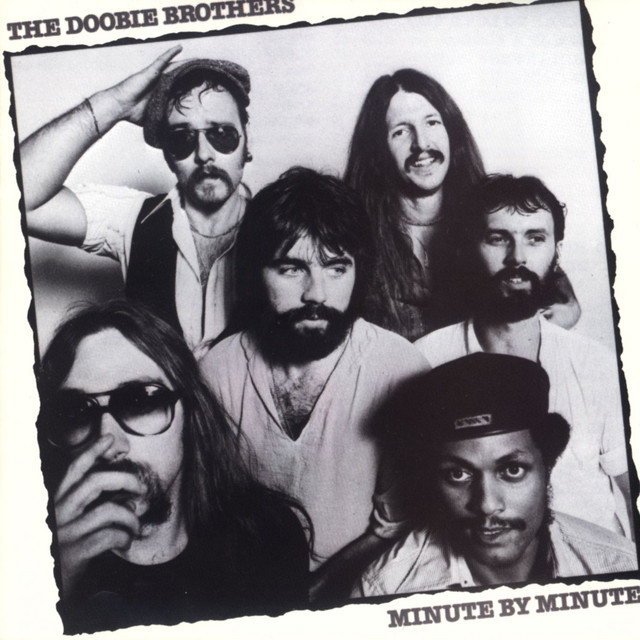
AOR (Album-Oriented Rock) refers to the late-1970s and early-1980s American FM-radio format that programmed full albums rather than singles, and to the polished studio-rock style it favored. Tempos sit at 80 to 110 BPM, arrangements lean on layered electric guitars, electric piano (Rhodes and Wurlitzer), bass synth, programmed and live drums, and dense vocal harmonies. The harmonic language borrows from jazz and Brazilian music — major-seven and ninth chords, secondary dominants, occasional modal interchange. Songs are typically four to five minutes with extended instrumental sections and clear room for guitar and saxophone solos. Production values are extremely high: Steely Dan, Toto and the Doobie Brothers spent months on individual tracks.
How it came about
AOR as a radio format emerged at FM stations in the early 1970s as a response to AM Top 40, but the term hardened into a stylistic label in the late 1970s with releases like Steely Dan's Aja (1977), Fleetwood Mac's Rumours (1977), Toto's debut (1978) and Boz Scaggs's Silk Degrees (1976). The Los Angeles session-musician scene — Jeff Porcaro, Steve Lukather, David Hungate, David Paich, the Wrecking Crew's younger heirs — built the genre's instrumental backbone. AOR became hugely influential in Japan, where it directly fed the late-1970s city pop scene around Tatsuro Yamashita and Toshiki Kadomatsu. The format declined in the US in the mid-1980s as MTV pushed radio toward singles again.
What to listen for
Listen for the layered backing vocals: AOR records typically stack three to seven vocal parts in the chorus, each filling a different harmonic slot. The instrumental break is structurally important — Steely Dan's Peg has a Jay Graydon guitar solo that the song builds toward and that radio DJs would not edit out. Bass lines are often more melodic than rock norms and double the chord-voice in the lower register.
If you only hear one thing
Steely Dan's Aja (1977) is the genre's canonical album. Toto IV (1982) is the late-period statement, including Africa and Rosanna.
Trivia
The Yacht Rock label — a 2005 internet web series that retroactively rebranded the AOR catalog — has become more commonly used than AOR in current music writing, even though the original radio format predates and is much broader than the yacht-rock canon.
Notable artists
- Boz Scaggs
- The Doobie Brothers
- Steely Dan
- Toto
Notable tracks
- Boz Scaggs — Lowdown (1976)
- Steely Dan — Peg (1977)
- Toto — Africa (1982)
- Toto — Rosanna (1982)
- The Doobie Brothers — What a Fool Believes (1978)