
Reggae
1960年代ジャマイカ発。裏拍に乗せた信仰と抵抗の歌が、首都キングストンを世界の声に変えた音楽。
What it sounds like
レゲエという音楽は、わざとリズムを「抜く(=鳴らさない)」ことで成り立っている。鳴る音よりも、鳴らない瞬間のほうが効いてくる——その引き算の感覚を生むのが、核となるドラムパターンだ。ふつうの曲なら一番強く打つはずの最初の一打(4拍子の1拍目)を、まるごと鳴らさない。代わりに3拍目で、足で踏む低い太鼓(キック)とパンと鳴る太鼓(スネア)を同時に叩く。本来そこに来るはずの重心が一拍ぶんそっくり抜け落ちる——だからこのパターンは「ひとつ落とす(one drop)」と呼ばれる。テンポはゆったり、BPMにして70〜90あたりが中心だ。エレキギター(ときにピアノ)は、拍と拍のあいだ、各拍の裏(オフビート)に「カッ、カッ」と短く和音を刻む。この奏法をスキャンク(skank)と呼ぶ。ベースは旋律的に動き、ボーカルは語りと歌の中間を行き来する。歌詞の中心はラスタファリ——神を「ジャー」と呼び、アフリカへの精神的な回帰を説く信仰だ。そこに大麻(ガンジャ)の賛美や社会への批判が重なり、宗教的な祝祭感と政治的な抗議が同居する。録音はあえて荒い質感に仕上げる。さらに、技師がエコーやディレイで曲そのものを作り変えてしまう「ダブ」という手法も生まれ、これがレゲエ独特の手触りを生んだ。
The signature rhythm pattern of this genre. Press play to loop it, and follow the score below to see which beat is sounding.
How it came about
1968年頃、ジャマイカ・キングストン。1960年代前半に流行ったスカ、ロックステディが減速し、経済的に厳しい時代を生きる若者の音楽として「reggae」が生まれた。リー・「スクラッチ」・ペリーやクレメント・「コクソン」・ドッドといったプロデューサー、そしてスタジオ・ワンなどに所属する専属の演奏陣(ベースやドラムなど土台を担うリズム隊)が、この新しいノリを形にしていった。1972年末にアイランド・レコードと契約したボブ・マーリー&ザ・ウェイラーズによって、レゲエは1973年のアルバム『Catch a Fire』以降に世界へ届けられ、事実上ジャマイカの国民音楽となる。やがてアジア・アフリカ・中南米といった、かつて植民地とされた非欧米圏(グローバル・サウス)へ、抑圧された人々の解放を歌う音楽として広がった。1980年代以降はダンスホール、ラガ、ダブと派生を続けた。いまクラブやチャートで耳にするレゲトンの跳ねるビートも、元をたどればこのキングストンのリズムに行き着く——アフロビーツやダブステップにも、その骨格は受け継がれている。
What to listen for
3拍目に落ちるキックドラム、各拍の裏に「カッ」と入るギター、ベースが歌うように動くライン。ボブ・マーリーの曲なら、サビの繰り返しでバンド全体がふっと音量を落とす瞬間、コーラスが入るタイミング、3管編成のホーンセクションがどう絡むかにも注目。ダブ処理されたバージョンを併せて聴くと、ミックス自体が一つの楽器であることが分かる。
If you only hear one thing
1曲だけ聴くなら、Bob Marley & The Wailers「No Woman, No Cry」——アルバム『Live!』(1975、ロンドンのライシーアム劇場で録音)収録のライブ版がいい。観客の合唱、マーリーの間(ま)、バンドの一体感。レゲエに何ができるかが、この一曲に詰まっている。アルバムで一枚選ぶなら『Exodus』(1977)。気軽に入りたいなら、Inner Circle「Sweat (A La La La La Long)」。まずはこの本流を聴いてから、変わり種として日本のフィッシュマンズ『LONG SEASON』へ。35分におよぶ単一の組曲で、ここまで説明した裏拍やone dropはほとんど消える。レゲエの「引き算」だけを極限まで突き詰めた特異な一枚なので、入門編とは切り離して味わうのがおすすめだ。
Trivia
「one drop」のドラムパターンは、ザ・ウェイラーズのCarlton Barrettが定型化・普及させたもの(初期スタジオのセッション・ドラマーWinston Grennanらが先駆として挙げられることもある)。彼が叩くキックは、3拍目でスネアと同時に鳴るため、ただ拍が落ちる以上に強い打撃感が出る。そのドラム一発から、レゲエの音は世界へ広がった——遠くニュージーランドではBob Marleyの曲がマオリ語にカバーされるなど、各地でさまざまな言語に歌い継がれている。
Notable artists
- Lee "Scratch" Perry
- Bob Marley
- Jimmy Cliff
- Peter Tosh
- Damian Marley
- Protoje
- Chronixx
- Koffee
Notable tracks
- Jimmy Cliff — Many Rivers to Cross (1969)
- Jimmy Cliff — The Harder They Come (1972)
- Bob Marley — Get Up, Stand Up (1973)
- Bob Marley — No Woman, No Cry (1974)
- Peter Tosh — Legalize It (1976)
- Bob Marley — One Love (1977)
Later notable tracks
- Damian Marley — Welcome to Jamrock (2005)
- Chronixx — Here Comes Trouble (2013)
- Protoje — Who Knows (2014)
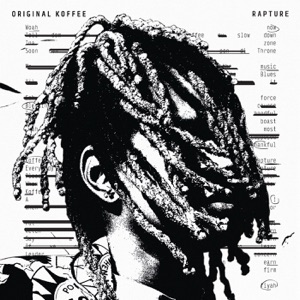 Koffee — Toast (2018)