Ska
1950年代末〜60年代初頭のジャマイカで成立した、裏拍を強調する明るいダンス音楽。
What it sounds like
ジャマイカ起源のダンス音楽。テンポは中速からやや速め(BPMは概ね120〜150)で、終始軽快に跳ねる。エレキギターが各拍の裏(オフビート)に「カッ・カッ」と短く刻み、ベースとドラムが表拍を支える。ギターの裏拍とベース・ドラムの表拍が互い違いに鳴り、それが独特の跳ねを生む。ホーンセクション(トランペット、トロンボーン、サックス)が前面に出てメロディと合いの手を担当する。ボーカルは男声が中心で、男女混声のコーラスが添えられることも多い。歌詞は祝祭、ストリート、ダンスフロアの楽しさを歌うものが多い。ロックのように低音がずっしり前に出ることはなく、音全体が軽やかに鳴る。
The signature rhythm pattern of this genre. Press play to loop it, and follow the score below to see which beat is sounding.
How it came about
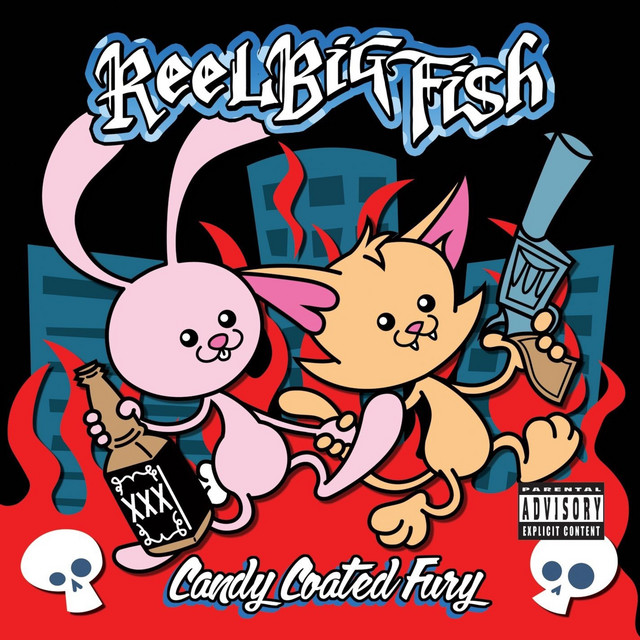
1950年代末のジャマイカ、独立(1962)直前のキングストン。米国のR&Bやジャズに、メント(スカ以前からあったジャマイカの大衆音楽)を掛け合わせて生まれたのが「スカ」で、独立に沸く時代の高揚とともにまたたく間に広まった。セッション集団ザ・スカタライツがサウンドを定型化し、プリンス・バスターやデリック・モーガンらが流行を牽引した。やがてスカは、1966年頃にはテンポを落としたロックステディへ、さらに1968年頃にはレゲエへと姿を変えていった。1970年代後半に英国コヴェントリーで「2 Tone Records」を中心に「ツートーン・スカ」(The Specials、Madness、Selecter)としてリバイバル。1980年代後半〜90年代には米国で第3波が起こり、Reel Big Fish や The Mighty Mighty Bosstones らのスカ・パンクが台頭、スカの影響を受けた No Doubt や Sublime も大ヒットした。
What to listen for
ギターの「カッ・カッ」(裏拍)と、ベース・ドラムの「ドン・ドン」(表拍)が互い違いに鳴り、つんのめるような跳ねを生む。ホーン全員がそろって決めるフレーズ(キメ)が2小節おきに規則的に入る。歌に対してホーンが「パパパー」と応える掛け合い(コール&レスポンス)。ライブで観ると、客がリズムに合わせて片足ずつ軽く跳ねる(スキッピング)のが基本ステップ。
If you only hear one thing
まず原点の1曲はThe Skatalites『Guns of Navarone』(1965)。映画音楽をスカに仕立てたインスト曲で、ホーンの華やぎがそのままスカの看板になった。次に第2波(ツートーン)を聴くなら、英国の白人と黒人が混じったThe Specials『Gangsters』(1979)で社会風刺の歌詞を、Madness『One Step Beyond』(1979)でパンク譲りの疾走感を味わいたい。スカにパンクの速さと攻撃性が加わったのが分かる。第3波の手触りはNo Doubt『Just a Girl』(1995)でつかめる。日本でスカがどう根づいたかを知るなら東京スカパラダイスオーケストラ『DOWN BEAT STOMP』(1989)を聴いてほしい。ホーン主体のインストという原点の形をそのまま受け継いだ国産スカの代表だ。
Trivia
スカタライツの花形だったトロンボーンのドン・ドラモンドやサックスのトミー・マクックらは、キングストンの恵まれない少年のための音楽学校アルファ・ボーイズ・スクールで腕を磨いた。この一校は、20世紀半ばのジャマイカ音楽を支えた名手を数多く輩出している。「Ska」の語源は定かでなく、ギターのカッティング音を表す擬音「skat!」がそのまま名前になったという説がよく挙げられる。ベース奏者クルーエット・ジョンソン(愛称クルー・J)の口癖「skavoovie(スカヴービー)」が語源だとする説もあり、定説は確定していない。英国のバンドMadnessの名はプリンス・バスターの曲『Madness』(1963)に由来し、デビュー曲『The Prince』もバスターへのオマージュだった。
Notable artists
- Desmond Dekker
- Prince Buster
- The Skatalites
- The Specials
- Reel Big Fish
- Mad Caddies
- Streetlight Manifesto
- The Interrupters
Notable tracks
- Prince Buster — Al Capone (1964)
- The Skatalites — Simmer Down (1964)
- The Skatalites — Guns of Navarone (1965)
- Desmond Dekker — Israelites (1968)
- The Specials — A Message to You, Rudy (1979)
Later notable tracks
- Streetlight Manifesto — The Blonde Lead the Blind (2013)
- The Interrupters — She's Kerosene (2018)
- Reel Big Fish — Everyone Else Is an Asshole (2018)
- Mad Caddies — Not Fair (2018)