
Ambient
1970年代にブライアン・イーノ(Brian Eno)らが提唱した、空間の雰囲気を作る非リズム中心の電子音楽。
What it sounds like
拍とボーカルがほとんどない(あっても極端に薄い)音楽。シンセサイザーのパッド(ふわりと長く伸びる和音)、フィールドレコーディング(自然音、街の音)、ピアノやギターの単音、テープによるループが、空間に静かに置かれる。曲の長さは5分から30分に及び、アルバム1枚で60分を超えるものも珍しくない。長いので、一曲を頭から追うのではなく、空間そのものの音色を浴びる。録音は残響を重視し、メロディは循環するか、もしくはまったく存在しない。
How it came about
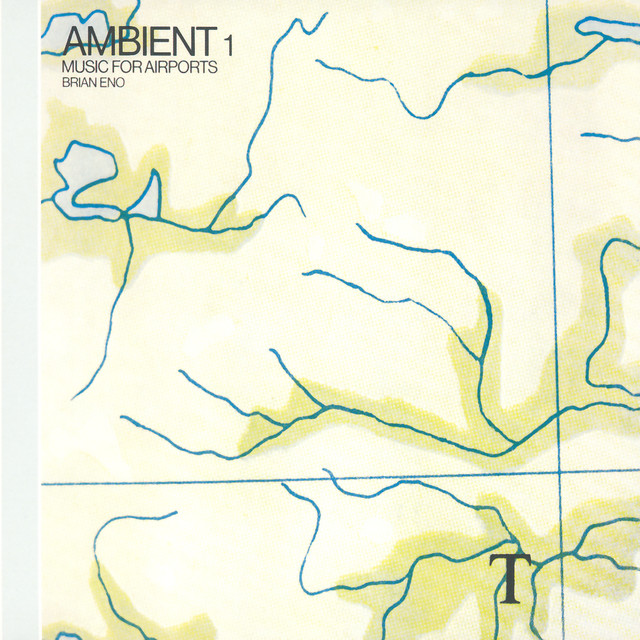
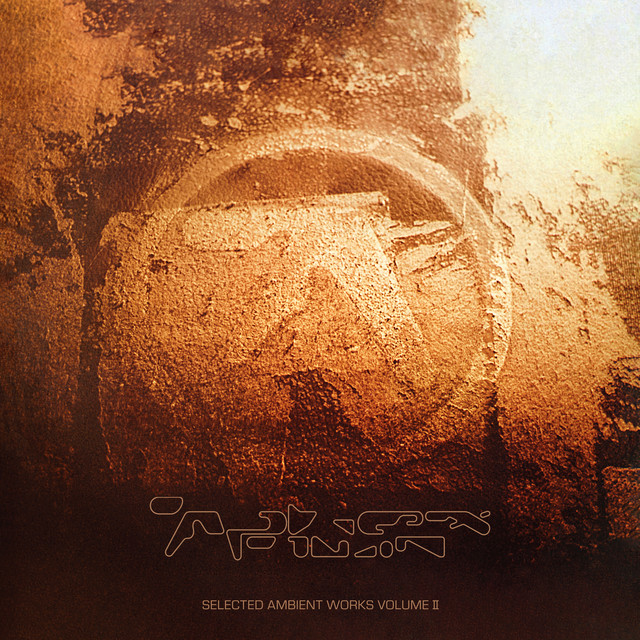
1978年、英国のブライアン・イーノ(Brian Eno)が『Ambient 1: Music for Airports』(リリースは1979年)を発表し、自分の音楽を「Ambient」と名付けたのが始まり。空港で待つ人の気分を落ち着けるための音楽として構想され、イーノはこれを「興味深くもあり、聞き流しもできる」音楽と定義した。だが源流はもっと古い。20世紀初頭のフランスで、エリック・サティが、耳を傾けずその場の空気として鳴ることを狙った背景音楽『家具の音楽』を構想していた。戦後の米国では、ミニマル・ミュージック(テリー・ライリー、フィリップ・グラス、スティーヴ・ライヒ)が、わずかな変化を反復によって積み重ねていく手法を確立した。これらが20世紀後半に一本の流れへ合流する。1990年代には、エイフェックス・ツイン(Aphex Twin)の『Selected Ambient Works 85–92』(1992)、スターズ・オブ・ザ・リッド(Stars of the Lid)、ウィリアム・バシンスキ(William Basinski)らが現代アンビエントの型を作った——崩れていく過程や緩やかな変化そのものを、背景ではなく主役に据えたのだ。2010年代以降は、ループや環境音を背景に流すという聴き方が世界規模で再び広まった。火付け役はYouTubeの『lofi hip hop radio - beats to relax/study to』。アンビエントと地続きの聴き方だが、多くの聴き手はそれをアンビエントとは呼ばない。
What to listen for
メロディがほとんどない音楽を、どう聴けばいいのか。同じパッドが何分も鳴り続けるなかで、音の高さ(ピッチ)はわずかに揺れ、ある層が消えながら別の層が現れる。フィールドレコーディングが何の音か(風か、水か、電車か)を探るのもよい。聴き方は二段構えがいい。数分は意識して細部を追い、そのあと意図的に聞き流す。背景に退いたとき、その音がどう聞こえ方を変えるかを確かめると、この音楽の正体が見えてくる。イーノが掲げた「興味深くもあり、聞き流しもできる」という発想は、この両方の聴き方を前提にしている。
If you only hear one thing
原点となる1枚なら、ブライアン・イーノ(Brian Eno)『Music for Airports』(1979)——旋律がほどけて空気になっていく。日本のものなら、吉村弘(よしむら・ひろし)『Music for Nine Post Cards』(1982)——澄んだピアノとシンセが小さく循環する。仕事や勉強の合間にBGMにしたいなら、スターズ・オブ・ザ・リッド(Stars of the Lid)『The Tired Sounds of Stars of the Lid』(2001)——低い弦の和音がどこまでも引き伸ばされ、輪郭をなくしていく。寝る前に聴くなら、ウィリアム・バシンスキ(William Basinski)『The Disintegration Loops』(2002)——古いテープが再生されながら少しずつ崩れて消えていく過程そのものを録音した作品だ。
Trivia
1975年、交通事故で自宅療養中のイーノのもとへ、友人のジュディ・ナイロンが18世紀のハープ音楽のレコードを持参した。再生すると音量が極端に小さいうえ、ステレオの片方のチャンネルしか音が出ておらず、起き上がって直す気力もなかった。曲はほとんど聴き取れなかったが、かといって完全な無音にもならない——この、聴くともなく音が場に流れているという体験が、アンビエント構想の出発点になったとイーノは語っている(同席したナイロン本人は、偶然ではなく自分が意図的にバランスを取ったと述べており、諸説ある)。日本でも、イーノが空港のための音楽を書いた数年後に、吉村弘がほぼ同じ発想の音楽を書いていた。彼の『Music for Nine Post Cards』(1982)は、もともと品川の原美術館で館内に流すための環境音楽として作られ、芦川聡が手がけた環境音楽シリーズ『Wave Notation』の第1作として(Sound Process から)一般リリースされた——だが当時はほとんど誰の耳にも届かず、再発見されるのは数十年後のことだった。
Notable artists
- Harold Budd
- Brian Eno
- Aphex Twin
- Boards of Canada
- Stars of the Lid
- Fennesz
Notable tracks
- Brian Eno — An Ending (Ascent) (1983)
- Brian Eno — Music for Airports 1/1 (1978)
- Brian Eno — Tomorrow Never Knows (ambient) (1983)
- Aphex Twin — Rhubarb (1994)
Later notable tracks
- Stars of the Lid — Requiem for Dying Mothers (2001)