Mathcore
Hardcore punk written in odd time signatures — calculated chaos that sounds broken even when it isn't.
What it sounds like
Mathcore takes the screamed vocals and overdriven guitars of hardcore punk and forces them through compositional structures borrowed from progressive rock and avant-garde classical: 7/8 and 13/16 time signatures, polyrhythms, abrupt tempo shifts, and dissonant guitar voicings. Songs are typically short (under three minutes) but pack dozens of section changes into that runtime. Vocals scream, scream-sing, or fall briefly into spoken word; melodic content is incidental. The music is meticulously written and rehearsed — what sounds like chaos is usually transcribed and counted — but the listening experience leans into disorientation rather than away from it.
How it came about
The Dillinger Escape Plan, formed in New Jersey in 1997, set the template with Calculating Infinity (1999), which paired hardcore intensity with math-rock harmonic complexity. Massachusetts's Converge, originally a hardcore band from the early 1990s, evolved toward this approach with Jane Doe (2001) and became co-figureheads of the scene. Earlier influences include Botch (Tacoma, late 1990s) and the longer lineage of Voivod's progressive thrash. Labels like Relapse, Hydra Head, and Deathwish Inc. provided the institutional home.
What to listen for
Once you lock onto the drum patterns, the rest of the chaos starts to make sense — try counting along with sections in The Dillinger Escape Plan's 43% Burnt and see how often the time signature shifts. Guitar dissonance functions structurally: certain intervals signal section boundaries even when nothing else has obviously changed. Vocals work as a sonic event more than as language; lyrics matter on later listens, not first ones. Short song lengths help — you can re-listen multiple times in twenty minutes.
If you only hear one thing
The Dillinger Escape Plan's 43% Burnt from Calculating Infinity (1999) is the genre's most-cited single track. For album-length immersion, Converge's Jane Doe (2001) opens with the title track's slower build and then accelerates.
Trivia
Mathcore composers frequently write parts on staff paper before recording, treating the band more like a chamber ensemble than a punk group. The gap between the notated score and the chaotic-sounding performance — the music looks more legible on the page than it does in the speakers — is part of the aesthetic.
Notable artists
- Converge
- The Dillinger Escape Plan
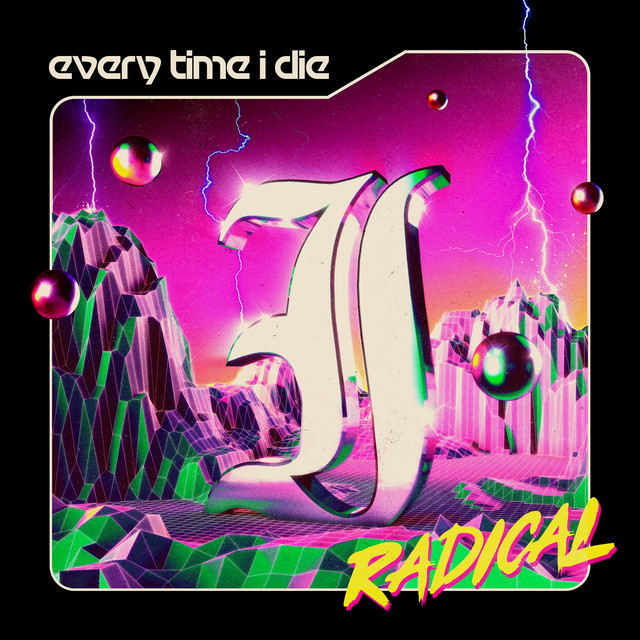
- Every Time I Die
- Frontierer
- SeeYouSpaceCowboy
- The Callous Daoboys
Notable tracks
- The Dillinger Escape Plan — 43% Burnt (1999)
- Converge — Concubine (2001)
- The Dillinger Escape Plan — Sunshine the Werewolf (2002)
- Converge — Eagles Become Vultures (2004)
- The Dillinger Escape Plan — Setting Fire to Sleeping Giants (2004)
- Converge — Last Light (2006)
Later notable tracks
- The Callous Daoboys — Star Baby (2022)
- Frontierer — Death Camp (2018)
- Every Time I Die — Post-Boredom (2021)
- SeeYouSpaceCowboy — Painting Vulnerabilities Onto a Canvas of Insecurity (2021)