Kuduro
Angolan electronic dance music from late-1990s Luanda — distorted kicks at 130-140 BPM, rap-shouted vocals, designed for hyperkinetic dance.
What it sounds like
Kuduro sits at around 130-140 BPM with hard, deliberately overdriven kick drums and busy syncopated percussion. The drum patterns rework Angolan semba and Afro-Atlantic polyrhythms onto cheap drum-machine and software sounds, so the music is rhythmically dense even though the production is lo-fi. Melody is minimal; the centre is the beat and the rapped or shouted vocal — often in Portuguese mixed with Angolan Kimbundu. The dance, also called kuduro, is built around quick footwork and full-body popping rather than partnered moves.
The signature rhythm pattern of this genre. Press play to loop it, and follow the score below to see which beat is sounding.
How it came about
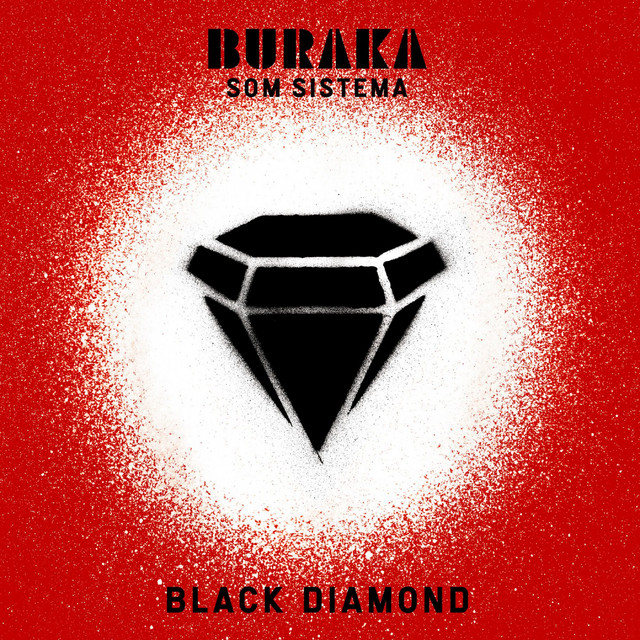
Kuduro grew in the musseques (informal neighbourhoods) of Luanda during the last years of Angola's civil war (1975-2002), where the population had swollen with rural migrants and access to recording gear was minimal — cassettes and very basic PC software were the production tools. The genre is usually traced to Tony Amado around 1996, with 'Amba' often cited as a foundational track. In the 2000s, Angolan and Cape Verdean diaspora producers in Lisbon brought it to European audiences, and the Buraka Som Sistema collective's 'Black Diamond' (2008) put a Eurocentric version of the sound on the international map.
What to listen for
Notice that the kick is intentionally clipped and distorted — it's not a master-bus mistake, it's the sonic signature. The percussion patterns interlock in semba-derived ways, with hand drums and shakers carrying secondary rhythms against the drum-machine pulse. Buraka tracks sound much glossier than Luanda originals; comparing one of theirs with a Tony Amado record makes the diaspora-vs-local production gap obvious.
If you only hear one thing
Buraka Som Sistema, 'Sound of Kuduro' or 'Kalemba (Wegue Wegue)' (2008) as the friendly entry. Tony Amado, 'Amba' (1996) for the Luanda origin sound.
Trivia
'Kuduro' is Portuguese for 'hard backside' — originally slang for the dance's stiff-hipped style, which became the name of the music. The Angolan rapper Coreon Du, son of then-president Jose Eduardo dos Santos, was an unusually high-profile patron of the genre during its 2000s rise.
Notable artists
- Tony Amado
- Buraka Som Sistema
Notable tracks
- Buraka Som Sistema — Kalemba (Wegue Wegue) (2008)
- Buraka Som Sistema — Sound of Kuduro (2008)
- Buraka Som Sistema — Hangover (BaBaBa) (2014)
- Tony Amado — Amba (1996)
- Buraka Som Sistema — New Africas Pt. I (2008)