
Bachata
場末の酒場で蔑まれた歌だったドミニカのギター音楽が、いまや世界で最も再生されるラテン・スタイルの一つになった。
What it sounds like
失恋と酒場の夜を、しゃがれた声で語りかけるように歌うドミニカ生まれのダンス音楽。基本編成は、レキント・ギター(高音域を弾く小型のリードギター。リクィントとも)、リズムを刻むギター、エレキベース、ボンゴ、そして金属の表面をこすって音を出す打楽器ギラの五つ。レキントはもともとナイロン弦だったが、1990年代以降はスチール弦やエレキ化が進んだ。テンポは、現代の都会派バチャータでBPM120〜140ほど。伝統的なバチャータはもう少し速く、140〜160が多い。意外にも、都会派のほうがテンポを落として一拍ごとの余韻で聴かせる。ヴォーカルは男性が中心で、歌詞はスペイン語、テーマは失恋、貧困、報われない恋、酒場の夜だ。リズムの骨格は、ギターを三回鳴らして一拍休む形(カッ・カッ・カッ・ウン)。その下でベースが拍を先取りしてダウンビートへ滑り込み、全体にゆったりした揺れが生まれる。
The signature rhythm pattern of this genre. Press play to loop it, and follow the score below to see which beat is sounding.
How it came about
1960年代のドミニカ共和国。ボレロ(スペイン語圏のロマンティックな歌曲)とキューバのソンを下敷きに、貧しい人々が酒場で歌う庶民の音楽として始まった。1961年のトルヒーヨ暗殺で長い独裁が終わり、文化統制が緩むなかで、1962年、ホセ・マヌエル・カルデロンの録音がバチャータ最初の作品とされる。だが以後20年あまり、ラジオはこの音楽を流さず、娼館や安酒場の音と切り捨てた。1980年代にはルイス・バルガス(Luis Vargas)らが酒場のシーンを支えたが、転機は1990年代に訪れる。バークリー出身のフアン・ルイス・ゲーラが上品な詞と洗練された音で録音した『Bachata Rosa』(1990)が、バチャータを中産階級にも認めさせ、国際的な聴衆を獲得した。2000年代には、ニューヨーク・ブロンクスで育った移民2世から生まれた都会派バチャータが、スペイン語と英語を行き来する若者の音として広まる。R&Bと融合させたAventura、その中心にいてソロでも大成功したロメオ・サントス、続くプリンス・ロイスらが、このジャンルを世界規模に押し上げた。
What to listen for
まずレキント・ギター(高音ギター)の細かいフレーズを耳で追えば、それがバチャータの目印になる。その下で、リズムギターが三つ刻んで一つ休むパターン(カッ・カッ・カッ・ウン)を繰り返し、ボンゴが裏拍を強調する。ベースは拍を先取りしてダウンビートへ滑り込むので、その動きを追うとグルーヴが見えてくる。ヴォーカルが、声を震わせたり泣くように崩したりする歌い回しも特徴だ。ダンスは三歩進んで4拍目に腰でアクセントを入れる動きが基本になる。
If you only hear one thing
古典ならJuan Luis Guerra『Bachata Rosa』(1990)——上品な詞と洗練された音でバチャータを世界へ届けた一枚。都会派ならAventura『Obsesión』(2002年、アルバム《We Broke the Rules》収録)で、英語サビのフックが世界的にバズった、国外のリスナーの入口となった一曲だ。その先のRomeo Santos『Propuesta Indecente』(2013)は、レキントの艶とR&B的コーラスが同居する、アーバン化したバチャータの完成形。
Trivia
「Bachata」はもとは「気軽な集まり、酒場での宴会」を意味するスペイン語。失恋の苦みを歌うことから「アマルゲ(amargue=苦み)の音楽」とも呼ばれた。1961年のトルヒーヨ暗殺で独裁体制が終わり、文化統制が緩んだことがバチャータ普及の遠因となる。初期のバチャータはギラではなくマラカスを使っており、メレンゲの影響で1980年代にギラへ移っていった。
Notable artists
- Juan Luis Guerra
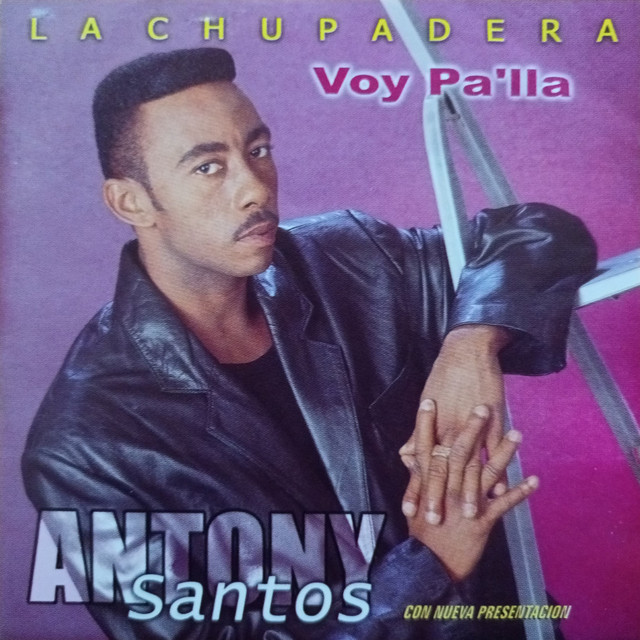
- Antony Santos
- Aventura
- Romeo Santos
- Xtreme
Notable tracks
- Juan Luis Guerra — Bachata Rosa (1990)
- Antony Santos — Voy Pa'lla (1991)
Later notable tracks
- Aventura — Obsesión (2002)
- Xtreme — Te Extraño (2006)
- Romeo Santos — Propuesta Indecente (2013)