Arabic Pop
1970年代以降のアラブ世界で発展した、アラブ古典音楽の旋法と西洋ポップを融合した音楽。
What it sounds like
アラブ古典歌唱の聴きどころである「タラブ」(歌に陶酔し心が震える感覚)を、打ち込み中心の現代的なポップ/ダンス・サウンドに乗せた音楽だ。ボーカルは音を細かく揺らす装飾(こぶし)を多用し、サビで一気に高音域へ駆け上がるパターンが多い。バックトラックは打ち込みのドラムとシンセが主流だが、間奏ではウード(リュート系の弦楽器)やカヌーン(琴に似た弦楽器)、ナイ(葦笛)が旋律を取り、ストリングスが要所を厚く覆う。テンポはバラードからクラブ向けの120BPM前後まで幅広い。エジプト方言、レバノン方言、湾岸(ハリージ)方言で大きく趣が違う。
How it came about
アラビア語は20以上の国で話されているが、ポップ音楽の中心地は長らくカイロだった。1990年代、サウジ系のRotanaやMBCといった汎アラブ衛星放送が普及すると、ベイルートが新しい音楽産業の拠点になった。湾岸諸国の資本が音楽ビジネスを支え、ミュージックビデオは映画並みの予算をかけるのが当たり前になった。アラブの春以降、エジプトが内政で揺らぐ間に、制作の重心はベイルートと湾岸(特にリヤド、ドバイ)へ移った。近年はサウジアラビアの大型フェス『MDLBeast』などが、新たなフェスティバル文化を生み出している。
What to listen for
サビの直前、歌い手がこぶしを効かせて声を伸ばし、音をひと粒ずつ転がすように装飾する瞬間に耳を澄ませてほしい。ここがタラブの核で、歌い手の力量はこの数秒で決まる。録音(音作り)は深いリバーブ(残響)が効いていて、ヨーロッパのポップより音が広い空間で鳴っているように聞こえる。打楽器はダルブッカ(壺型の太鼓)の跳ねるリズム、もしくは湾岸ポップ特有の、独特の間(ま)を取る「ハリージ・ビート」が入る。歌詞は恋愛が圧倒的多数だが、表現は古典詩の伝統を引いていてかなり比喩的だ。
If you only hear one thing
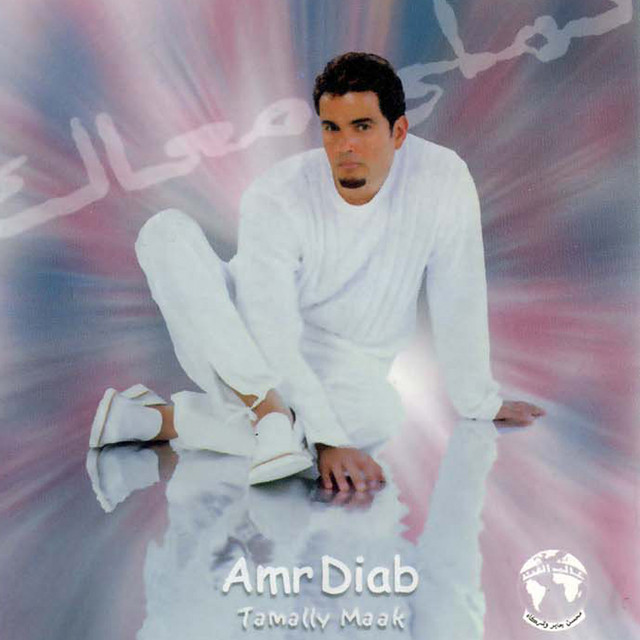
最初の一曲はアムル・ディアブ(Amr Diab)『Tamally Maak』(2000年)。アラビア語ポップの世界的な入門曲だ。世界的ヒットの雛形となったのは1996年の『Nour El Ain』だが、歌が分かりやすいこちらのほうが入口に向く。次にレバノン出身のナンシー・アジュラム(Nancy Ajram)『Ah w Noss』で、レバノン勢らしい華やかさが分かる(歌詞はエジプト方言だが、彼女はレバノン・ポップの代表格だ)。湾岸側からは、この地域のクラシックの大御所モハメド・アブドー(Mohammed Abdo)と、現在の湾岸サウンドを代表するラシード・アル・マジド(Rashed Al Majid)も聴いてほしい。最初は何かしながら流して構わない。サビの装飾フレーズに耳が引き寄せられたら、ぜひ一度、聴くことに集中してみてほしい。
Trivia
「タラブ(طرب)」という言葉は単に「音楽を聴く楽しみ」ではなく、「歌に陶酔して涙し、心が震える状態」を指す。アラブの聴衆は今でも歌い手に「Allah!(神よ)」「Ya leil!(おお夜よ)」と叫んで反応する文化があり、これはコンサートの良し悪しを測るバロメーターだ。エジプトの伝説的歌手ウンム・クルスーム(1904頃〜1975)は、一曲を1時間以上に引き延ばして歌い、一回のコンサートが数時間に及んだ。彼女が確立したタラブの美学は、いまもアムル・ディアブやナンシー・アジュラムのサビに息づいている。
Notable artists
- Fairuz
- Abdel Halim Hafez
- Amr Diab
- Nancy Ajram
Notable tracks
- Fairuz — Aatini Al Nay Wa Ghanni (1971)
 Fairuz — Habbeytak Bissayf (1970)
Later notable tracks
- Amr Diab — Nour El Ein (1996)
- Nancy Ajram — Ah W Noss (2004)
- Amr Diab — Tamally Maak (2000)